WhatsApp and Email Marketing Strategies That Actually Work in 2025
The Real Challenge
If you run a business today, you’ve probably noticed something: people don’t open emails like they used to — and they rarely answer unknown numbers. But they always check WhatsApp.
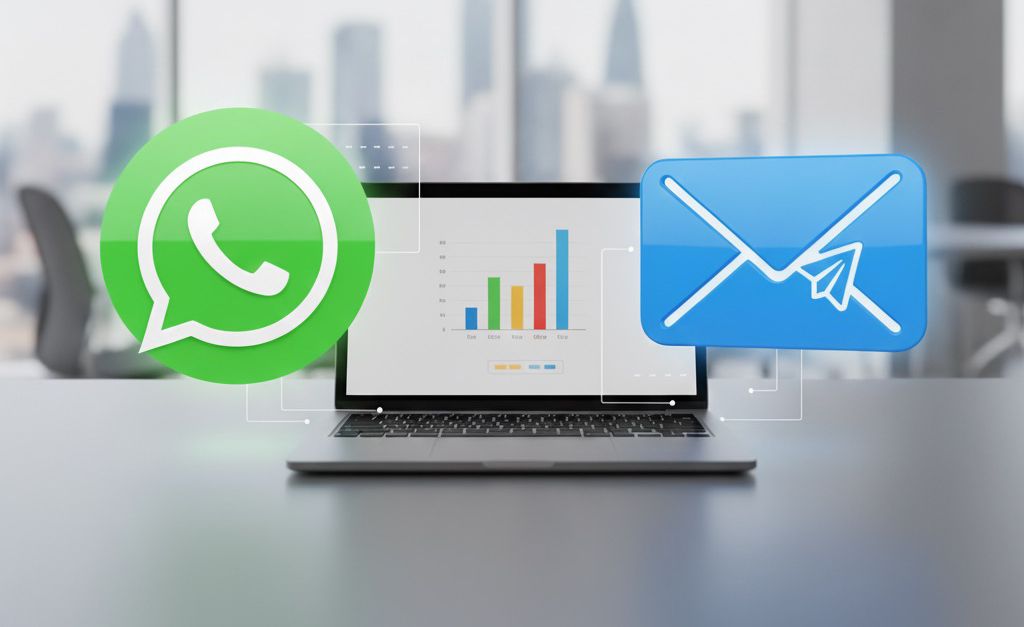
Ever wondered which platform truly connects faster — the inbox or the instant chat bubble on your phone? In 2025, WhatsApp and Email Marketing are no longer competing; they’re complementing each other. Businesses are now using automation tools and smart personalization to combine both channels for faster engagement, higher open rates, and stronger customer relationships.
That’s where the game changes.
Smart marketers have stopped treating WhatsApp and email as two different worlds. Instead, they use both together — and the results speak for themselves.
“Marketing today isn’t about shouting louder; it’s about showing up smarter.”
Anonymous Growth Strategist
Let’s unpack what actually works, what doesn’t, and how your brand can turn inboxes and chats into loyal customers.
WhatsApp: The Instant Channel That Builds Trust
In cities like Dubai, WhatsApp isn’t just a chat app — it’s where business happens. People book cars, confirm appointments, and even negotiate deals on it.
That’s why WhatsApp marketing has become the backbone of direct communication. But blasting mass messages won’t help. The secret lies in personal relevance.
Here’s what truly works:
- Broadcast wisely: Segment your audience. Send different updates to loyal customers vs. new leads.
- Automate with empathy: Use the WhatsApp Business API to send appointment reminders, receipts, or special offers — but keep a human touch.
- Quick visual storytelling: A 10-second clip of your service in action works better than a 1,000-word pitch.
Pro Tip: Your first message decides everything. Ask, don’t announce. Try:
“Hey [Name], we’ve just launched something you might find useful — want a quick peek?”
That simple curiosity trigger improves reply rates by 30–40%.

Email: The Silent Workhorse That Still Converts
Despite all the hype about social and messaging apps, email is far from dead. It’s the home of trust, contracts, and clear communication.
While WhatsApp drives fast replies, email marketing still delivers depth. Think newsletters, onboarding sequences, and exclusive offers.
What Works Now:
• Segmentation by intent: Don’t just send to “all subscribers.” Build lists for repeat buyers, cold leads, and recent sign-ups.
• Localized language: If you’re targeting English, Arabic, and expat audiences, personalize tone and offers.
• Mobile-first design: Over 70% of emails are opened on phones. Use short subject lines and clean CTAs.
Stat: Brands that combine email and chat automation see 2.6x higher engagement compared to those relying on email alone (HubSpot, 2024).
The Magic Happens When Both Work Together
Here’s where most marketers miss out.
They use either WhatsApp or email — never both. But the real growth comes when you build a two-way funnel.
Example:
1. Email ➜ triggers a WhatsApp reminder (“Did you get our offer?”).
2. WhatsApp ➜ confirms an order ➜ triggers a thank-you email with upsell.
3. CRM tags each response ➜ tracks conversions across both.
That’s automation that feels human.
Think of it as your digital concierge: friendly, fast, and always on-brand.
Common Mistakes That Hurt Campaigns
Even top companies make these avoidable errors:
- Sending WhatsApp blasts from personal numbers — it looks unprofessional.
- Buying random email lists — half will bounce, and your sender score tanks.
- Forgetting follow-ups — leads go cold within hours.
- Ignoring analytics — no tracking = no improvement.
- To avoid these, create a simple rule: “Every message must either help, confirm, or delight.”
How to Build a System That Sells While You Sleep
The best marketers build flows, not campaigns.
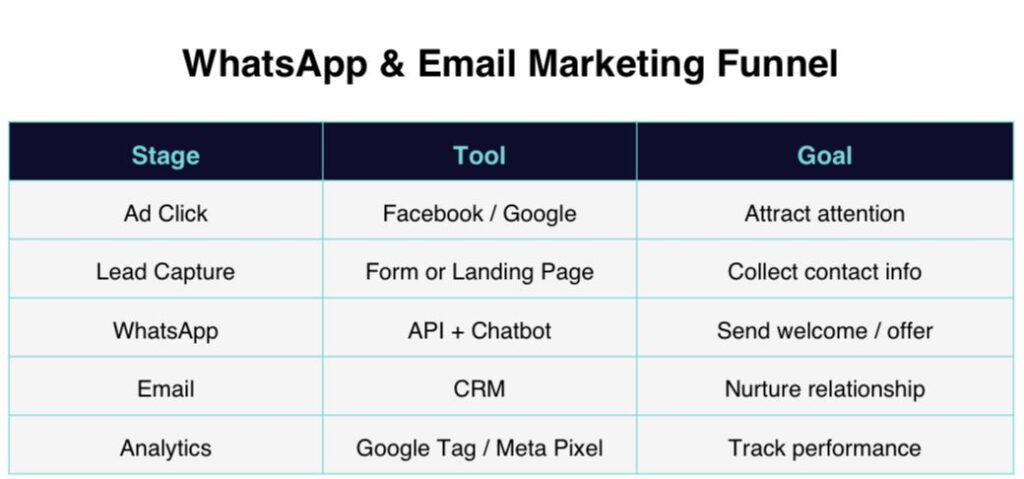
Here’s a workflow that can fit any business model — from service providers to e-commerce to rental platforms:
By integrating WhatsApp + Email inside your CRM (HubSpot, ActiveCampaign, or Zoho), you create a loop where every new lead automatically enters your pipeline.
“Automation isn’t about replacing humans — it’s about removing the boring parts so humans can shine.”
— Neil Patel
Real-World Story: The Brand That Doubled Engagement
A Dubai-based salon wanted to increase rebookings. Instead of pushing ads, they used WhatsApp follow-ups:
“Hi Sara! You’re due for your next treatment — book now and get 15% off.”
That single tweak increased return visits by 38% in two months.
The same logic works for car rentals, fitness studios, or online stores — wherever repeat engagement matters.
What’s Next: Smarter Data, Not More Messages
2025 is the year of smarter marketing. AI can help schedule, translate, and even write copy, but empathy still wins the sale.
Automation without understanding is just noise.
So before hitting “send,” ask:
“If I got this message — would I smile, click, or delete?”
If you’d smile, post it.
If you’d delete it, rewrite it. Simple.
Final Takeaway
The future belongs to brands that communicate like humans.
Whether through WhatsApp or email, the key is clarity, timing, and respect.
If you’re serious about building an ecosystem that brings leads, nurtures them, and closes deals — start integrating today.
Let’s build communication that feels personal — and performs powerfully.
If you enjoyed learning about marketing strategies, check out our previous blog on why every business needs a professional SEO agency for deeper insights into online growth.